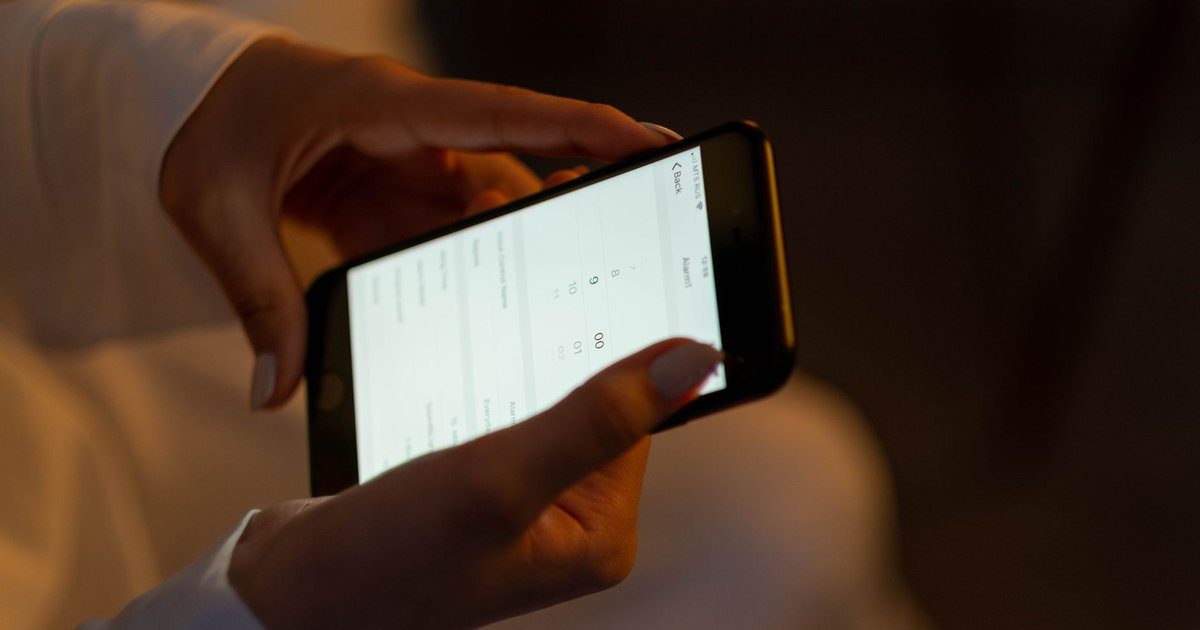
EVV compliance means every Medicaid-funded personal care visit is recorded electronically with six facts. They are the service, the client, the date, the location, the caregiver, and the start and end times. Section 12006 of the 21st Century Cures Act made states require it. Your state Medicaid agency decides the system, the deadline for fixing errors, and how many manual edits it will accept.
For most agencies, the law is not the hard part. The hard part is the daily stream of missed clock-ins, wrong locations, and forgotten clock-outs that someone in the office has to fix before billing. Ohio's state auditor found that about 34% of EVV entries in its 2022 sample had been manually adjusted (Ohio Auditor of State, November 2024). This guide covers the rules, then the steps to keep your own exception rate low.
This is general information, not legal advice. Check your state Medicaid agency's EVV policy manual and talk to counsel about your situation.
Key Takeaways
- Federal EVV rules cover Medicaid personal care and home health visits delivered in the home. Each visit must be verified on six data points.
- Private-pay-only agencies are generally outside the federal mandate, but the same clock-in habits protect payroll and billing.
- States set the working rules. Pennsylvania caps manual edits at 15% of visits from January 2025, and Texas requires an 80% EVV Usage Score each quarter.
- Every missed punch needs a fix inside your state's window, with the right reason code. Texas allows 95 calendar days.
- Prevention beats correction: train on the app, watch for late clock-ins in real time, and chase them the same hour.
What Does EVV Compliance Require?
EVV compliance requires an electronic record of each covered visit that captures six specific data points. The Cures Act was signed on December 13, 2016. It added section 1903(l) to the Social Security Act. That section requires states to use EVV for Medicaid personal care services (PCS) and home health care services (HHCS) delivered through in-home visits (CMS Informational Bulletin, May 16, 2018).
Electronic visit verification (EVV) is a system that confirms each home visit electronically instead of on a paper timesheet. The statute says it must verify:
- The type of service performed
- The individual receiving the service
- The date of the service
- The location of service delivery
- The individual providing the service
- The time the service begins and ends
States had to require EVV for PCS by January 1, 2020, and for HHCS by January 1, 2023. States that missed the deadline faced cuts to federal Medicaid matching funds of up to 1% (Medicaid.gov, Electronic Visit Verification). That penalty lands on the state, and states enforce EVV on providers through claim edits and compliance reviews.
Before You Begin: Does EVV Apply to Your Agency?
EVV applies when your agency bills Medicaid, a Medicaid waiver, or a Medicaid managed care plan for personal care delivered in the client's home. CMS lists the covered programs, including state plan personal care, 1915(c) and 1915(i) waivers, 1915(k) Community First Choice, and Section 1115 demonstrations (CMS, May 2018).
A few cases fall outside the federal requirement:
- Live-in caregivers. CMS says EVV does not apply when the caregiver and the client live together, though states may still choose to require it (CMS Informational Bulletin, August 8, 2019).
- Care outside the home. For a visit that starts in the community and ends at home, EVV is required only for the part delivered in the home.
- Private-pay clients. The federal mandate is tied to Medicaid funding. An agency with only private-pay and long-term care insurance clients is generally not federally required to use EVV.
EVV-style clock-ins can still help a private-pay agency, because GPS-stamped visit times give you a record for billing disputes and overtime questions. If you plan to take Medicaid clients later, building the habit now makes the switch easier.
What you'll need: your state Medicaid agency's EVV policy manual, admin access to your scheduling software, and your last month of visit exception reports. Plan on an afternoon for setup and about 15 minutes a day after that.
Step 1: Find Your State's EVV Model and Rules
By the end of this step, you'll know which system your state requires and where its rules live. CMS describes five models: provider choice, managed care plan choice, a state-built in-house system, a single state-contracted vendor, and an open model (CMS, May 2018).
In practice, most agencies land in one of two situations:
- State-mandated vendor. The state picks the system and you use it, or you connect your own software to it if the state allows.
- Open or hybrid. The state offers a free system but lets you use an approved alternate EVV system that sends visit data to a state aggregator. North Carolina, for example, uses Sandata as its aggregator and allows alternate vendors (NC Medicaid EVV).
Download your state's EVV policy manual and find three numbers. Look for the deadline to correct a visit, the manual-edit or usage threshold, and the claim edit for missing EVV data. Also ask each Medicaid managed care plan you bill whether it adds its own rules.
Step 2: Map the Six Data Points in Your Scheduling Software
By the end of this step, every covered visit in your scheduler will carry all six data points in the format your state expects. Many missed-punch problems start as setup problems: a client address that does not match Medicaid records, or a service code that does not match the authorization.
- Confirm each Medicaid client's service address matches the state record.
- Match each visit's service code to the client's authorization.
- Link every caregiver profile to the worker ID your state or aggregator uses.
- Turn on your software's alternate EVV export, if you use one, and test it.
To check your work, run a test visit end to end and confirm it shows as verified in the state portal. If you are still choosing software, ask each vendor to run a test visit through your state's aggregator before you sign.
Step 3: Train Caregivers on Clock-In and Clock-Out
By the end of this step, every caregiver on a Medicaid case will know the approved clock-in methods and what to do when the app fails. States allow set methods, usually a mobile app with GPS, the client's landline, or a fixed device. CMS has said web-based timesheets alone do not count as EVV (CMS, August 2019).
- Train on the app at hire, before the first Medicaid shift.
- Give each caregiver a one-page backup plan: the landline option, the office number, and the rule to call before leaving if a punch failed.
- Explain what EVV records and what it does not. Ohio's auditor recommended that the state address common misconceptions about EVV (Ohio Auditor, 2024).
Put EVV training on the same tracker as CPR cards and TB tests. App training is part of orientation, so count it when you work out the real cost of caregiver turnover.
Step 4: Work the EVV Missed Punch Queue Every Day
By the end of this step, you'll have a daily routine that clears exceptions long before your state's deadline. An EVV missed punch is any visit the system could not auto-verify: no clock-in, no clock-out, a wrong location, or times that don't match the schedule.
Texas shows how detailed the rules can get. Providers must finish all visit maintenance, including manual visit entries, within 95 calendar days of the service date (Texas HHSC EVV Policy Handbook, section 9000). Each fix needs a reason code number and description. Free text is mandatory for code 210 I (Emergency) and code 600 (Other) (Texas HHSC, section 10000).
Use this routine:
- Pull the exception report every morning for the prior day.
- Confirm the visit happened: call the caregiver, check the care notes, or call the client.
- Correct the times, pick the reason code that matches what happened, and save the proof.
- Never enter times you cannot support. Ohio's auditor noted that manual changes to start and end times can mean the recorded times do not reflect when care happened.
North Carolina shows why speed matters. A claim with no EVV record on file pends for 14 days and then denies (NC Medicaid EVV).
Step 5: Track Your Manual-Edit Rate Against Your State's Threshold
By the end of this step, you'll know your manual-edit rate each week and how close you are to your state's limit. States increasingly measure how often you fix visits by hand, not just whether you fix them.
Pennsylvania first allowed manual edits on up to 50% of records. For dates of service from January 1, 2025, it lowered the limit to 15% per federal fiscal year quarter (PA DHS Medical Assistance Bulletin 05-24-01, August 23, 2024). North Carolina says manual edits should stay at 15% or less. Texas reviews providers against a minimum EVV Usage Score of 80% per state fiscal year quarter (Texas HHSC, section 11000).
Calculate your rate as manually edited visits divided by total covered visits. Then break it out by caregiver. If a few names account for most of the edits, you know who needs a refresher.
Step 6: Prevent Missed Punches Before They Happen
By the end of this step, most missed punches will be caught within minutes, while the caregiver is still in the home. Fixing a punch a week later means chasing memories. Fixing it the same hour usually takes one quick call.

- Set an alert when a scheduled visit has no clock-in 10 to 15 minutes after the start time.
- Call or text the caregiver right away to learn whether it's a late arrival, a failed punch, or a no-show.
- If it's a no-show, start your coverage plan for that shift right away.
- Send a clock-out reminder near the scheduled end time.
This is the same response-speed problem covered in our guide on how to hire caregivers: the gap between an event and a human reply is where things break.
Common EVV Compliance Mistakes to Avoid
Treating manual entry as normal. Ohio's policy allows manual entry only when a device or phone is not available, not for routine verification. Yet about 34% of entries in the audit sample were adjusted. Fix the cause, not just the record.
Assuming the vendor handles compliance. Your EVV system records data. Your agency still owns the corrections, reason codes, and proof.
Not submitting EVV data at all. In Ohio's sample, 37 of 100 providers submitted no EVV data. The auditor also found Ohio was one of 34 states that did not require an EVV match for claims paid before December 31, 2022 (Ohio Auditor, 2024). Check whether your state now requires an EVV match before it pays a claim.
Picking "Other" by habit. Vague reason codes invite questions in a review. Choose the code that matches what happened.
What Success Looks Like
If this is working, most covered visits auto-verify with no office touch. Your weekly manual-edit rate sits well under your state's threshold, exceptions clear within a day or two, and claims stop pending for missing EVV. A good stretch goal is catching every missed clock-in while the caregiver is still at the client's home.
Frequently Asked Questions
Do private-pay home care agencies need EVV?
Generally no, not under federal law. The Cures Act requirement is tied to Medicaid-funded personal care and home health services. Still, check your state licensing rules and any payer contracts, since some add their own requirements.
What happens if my agency's EVV compliance falls short?
It depends on the state. Consequences can include pended or denied claims, as in North Carolina, and contract or enforcement action after a compliance review, as in Texas. Your state's EVV manual lists the steps.
Can we fix a missed punch after the claim is paid?
Some states allow corrections inside a set window, such as Texas's 95 days, but rules on post-billing edits vary. Stakeholders interviewed for Ohio's audit argued that providers should not be able to add or adjust visits after a claim is submitted. Ask your state Medicaid agency before you edit a billed visit.
Keep Every Visit Verified
EVV compliance comes down to six data points recorded cleanly on every Medicaid visit, plus a fast routine for the ones that slip. Know your state's model and thresholds, set up your software, train caregivers, and work exceptions daily. If chasing late clock-ins is eating your scheduler's morning, OpsHarbor's clock-in chasing service can help. It calls the caregiver when a punch is missed and logs the answer for your team.